
2026–2027 Aluminum Padlocks and OSHA LOTO Compliance: What to Expect
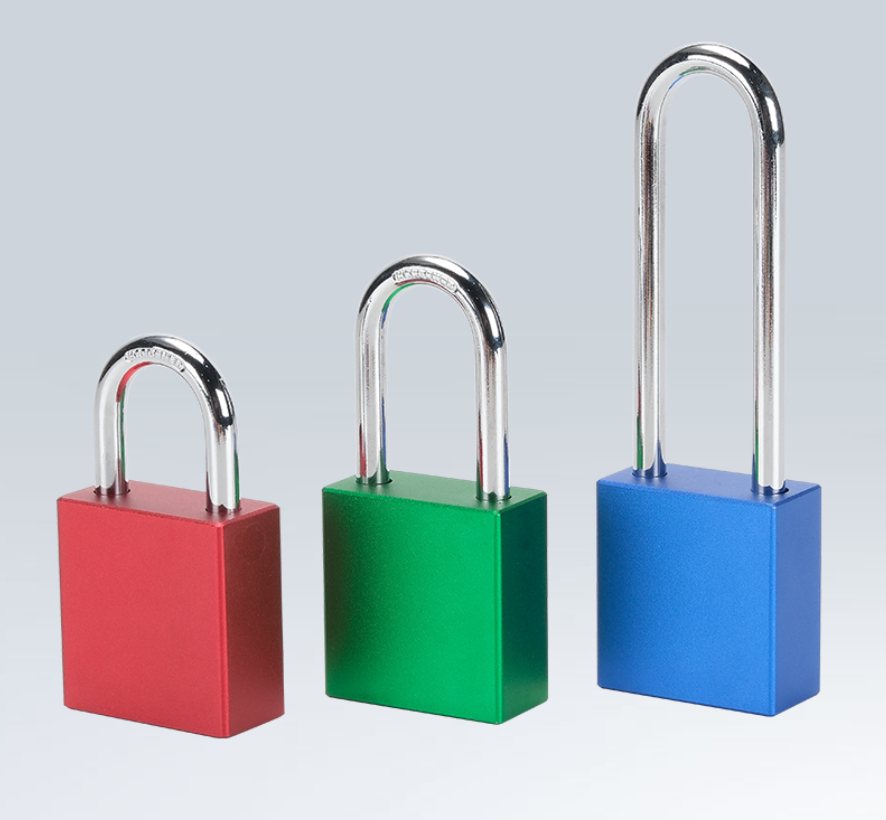
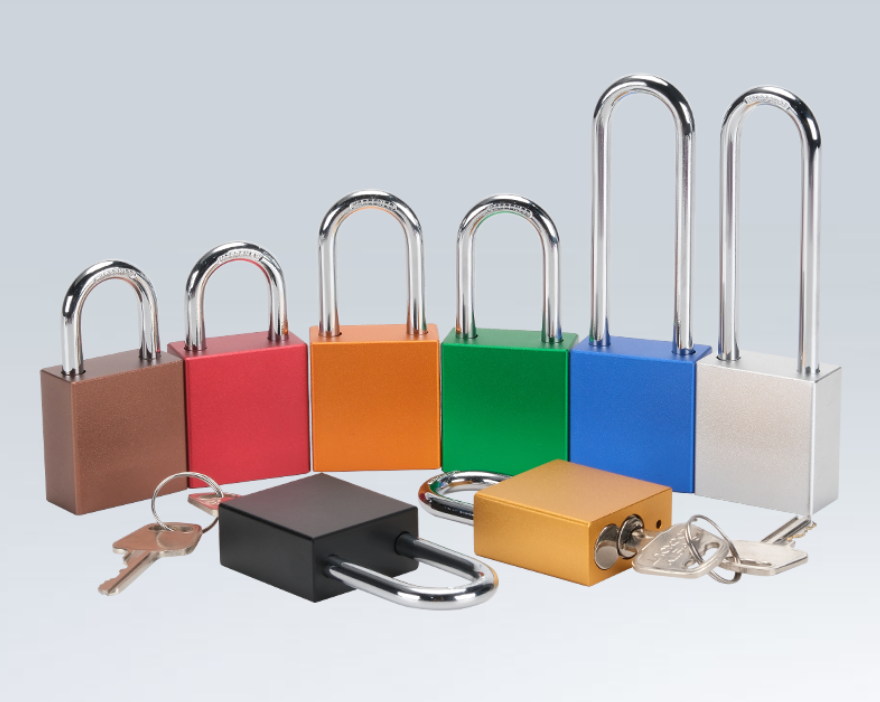
When safety managers evaluate lockout/tagout (LOTO) hardware, the focus is rarely on the padlock itself—until a failure occurs. The device that stands between a worker and hazardous energy must be more than just a lock. It must be identifiable, durable, non-conductive when required, and integrated into a broader energy-control procedure.
Aluminum safety padlocks have emerged as a preferred solution for many industrial environments because they balance strength, weight, and electrical safety. This article examines what makes aluminum a practical material for LOTO padlocks, the features that matter most, and how to avoid common selection mistakes.
Why Aluminum for Safety Padlocks?
The material choice for a lockout padlock is a safety decision, not a cosmetic one. Aluminum offers several distinct advantages in the context of hazardous energy control.
Non-Conductive Body for Electrical Work
One of the primary reasons facilities choose aluminum safety padlocks is electrical insulation. Unlike solid steel or brass bodies, aluminum LOTO locks are often designed with non-conductive properties that reduce the risk of electric shock when applied to disconnects or isolation points where stray voltage may be a concern . For maintenance electricians working on energized equipment—or equipment that has not yet been verified as de-energized—this added layer of protection matters.
Lightweight Without Sacrificing Strength
Aluminum is significantly lighter than steel, which reduces fatigue when workers carry multiple locks or apply them in awkward positions. Despite the lower weight, a solid aluminum core provides sufficient physical strength to resist tampering and vandalism in most industrial settings . The shackle, typically made from hardened steel or boron alloy, provides the cut resistance where it counts most.
Corrosion Resistance in Harsh Environments
Facilities with washdown sanitation, high humidity, or chemical exposure cannot rely on standard steel locks that may corrode and seize over time. Anodized aluminum finishes offer excellent corrosion resistance, making these padlocks suitable for food processing plants, outdoor utility sites, and marine environments . Some manufacturers apply additional coatings to the shackle—such as NANO-PROTECT—to further extend service life in challenging conditions .
Key Features to Evaluate in an Aluminum Safety Padlock
Not all aluminum padlocks are created equal. The following specifications directly affect whether a lock will perform reliably within an OSHA-compliant LOTO program.
Key Retention and “One Employee, One Lock, One Key”
OSHA’s lockout/tagout standard (29 CFR 1910.147) requires that lockout devices be removed only by the authorized employee who applied them . A key-retaining mechanism ensures that the key cannot be removed while the lock is open, preventing the padlock from being left unlocked and unattended . This feature is non-negotiable for personal lockout applications.
Non-Conductive Shackle Options
While the body of an aluminum padlock may be non-conductive, the shackle is often steel. For applications where full non-conductivity is required, look for models with plastic-covered or nylon shackles . However, these may sacrifice some cut resistance. The right choice depends on the specific energy source being isolated and the facility’s hazard assessment.
Keying Systems and Accountability
The “one employee, one lock, one key” directive is a cornerstone of effective LOTO programs . Keyed-different padlocks ensure that each authorized employee controls their own lock and key, making it impossible for one worker to remove another’s protection without following the facility’s exception procedure.
Keyed-alike and master-keyed systems exist, but they introduce risk. A master key that opens every lock in a facility can become a convenience tool that undermines the personal accountability that LOTO depends on. If master keys are used, strict policy controls must govern their storage and issuance.
Identification and Color Coding
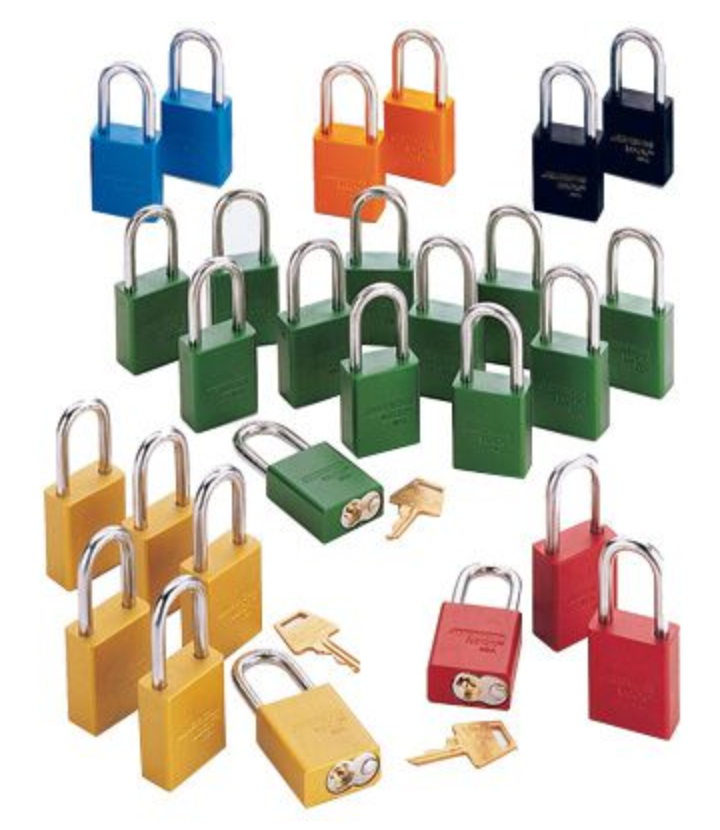
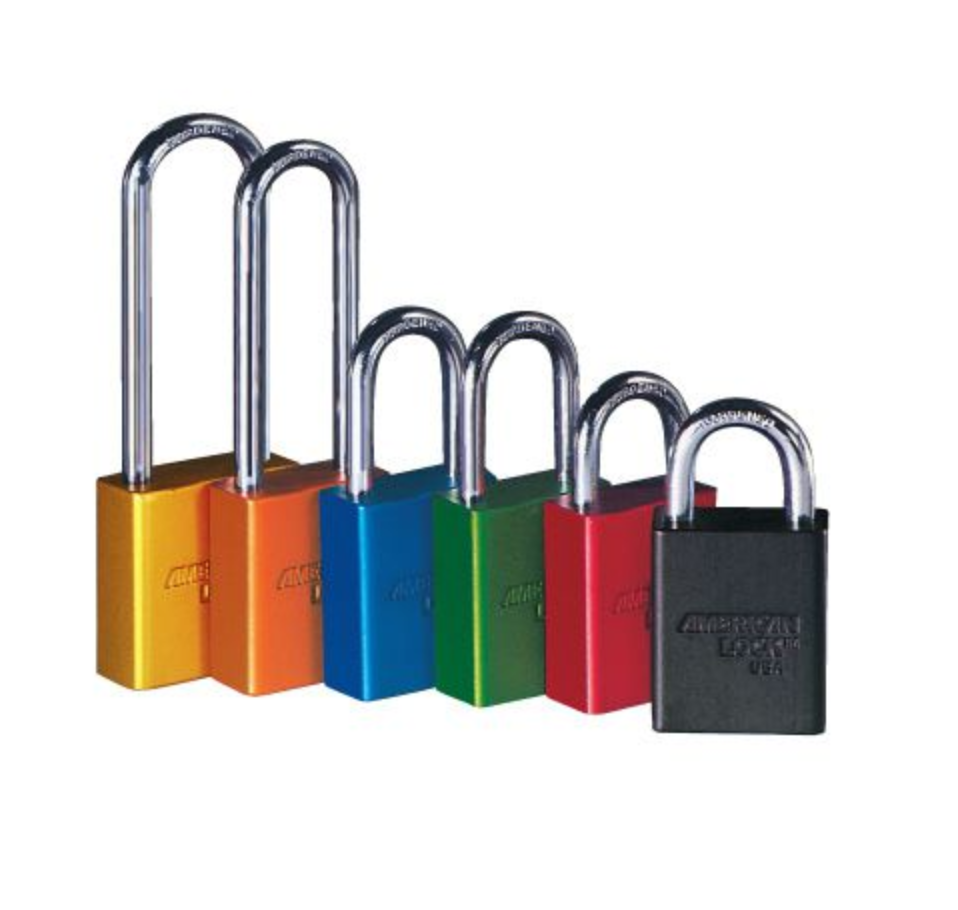
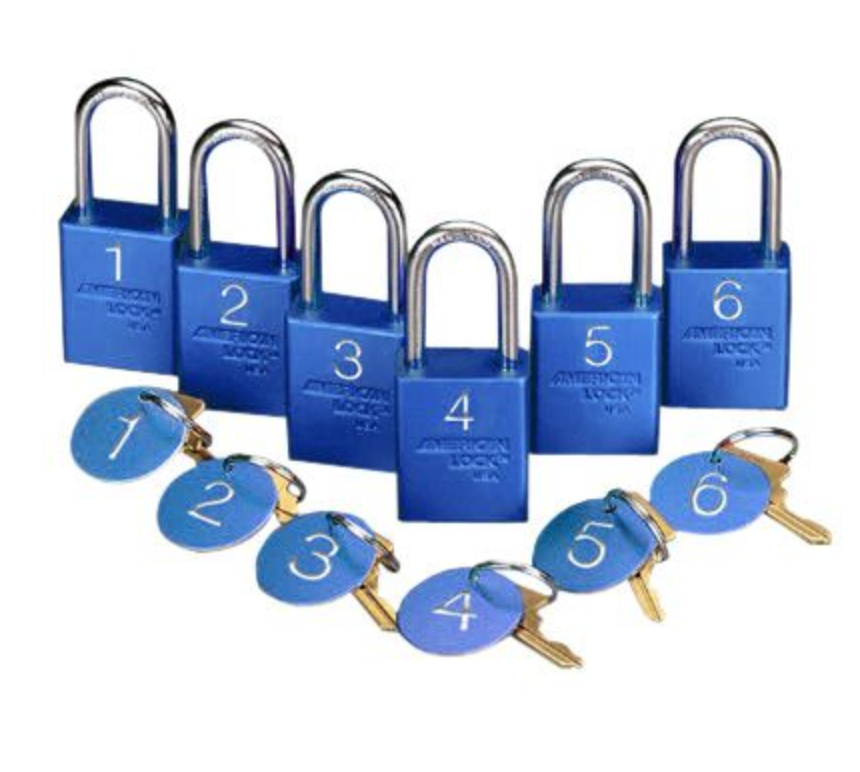
OSHA requires lockout devices to be identifiable—indicating which authorized employee applied the device . Aluminum padlocks typically feature engraved or stamped lock numbers on both the body and the key, simplifying key tracking and audit trails . High-visibility anodized colors (red, yellow, blue, green) allow facilities to standardize color logic by department, trade, or energy type, though color alone should never substitute for a clear site legend and training.
Common Mistakes in Aluminum Padlock Selection
Using general-purpose padlocks for LOTO. A standard aluminum padlock from a hardware store is not a safety padlock. OSHA requires lockout devices to be standardized, substantial, and used exclusively for energy control . Personal padlocks, cable ties, or tape are not acceptable substitutes.
Ignoring environmental compatibility. An anodized aluminum lock may be ideal for a food processing washdown area but inappropriate for a foundry with heavy impact exposure. Match the lock’s material and coating to the actual conditions at the lockout point.
Overlooking shackle clearance. Lockout points vary widely. A 25 mm shackle may be adequate for a small disconnect, while a 76 mm shackle is necessary for larger isolation devices or group lockout hasps . Ordering a single shackle length for the entire facility often leads to improvised—and unsafe—workarounds.

Lita Lock, a China based manufacturer, since 2017, active in manufacturing safety padlocks, electrical lockout, valve lockout, lockout station, tags and other lockout & tagout for global partners.
To help customers compliance with OSHA Standard 29 CFR 1910.147, Lita Lock does not only offer design, production and final assembly, but also a complete lockout & tagout solution for various industries.
Lita Lock pursues the competitiveness on creative, quality control, technology and sustainable development. As the founder of Lita Lock, Iris Chen says: “Many things have changed, but one thing that has not—our original intention to start businesses: keeping workers safe.” Together, we make work environments safer.
Sales Manager: Iris Chen
Email: iris@litalock.com
Whatsapp: + 86 195 1976 7209
#safetylockout #OSHAstandard29CFR1910.147 #industriallockoutdevices #lockouttagout #LOTO #safetypadlocks #Lockout #lockouted #totallockout #bradyloto #masterlock #litalock #Americanlock #Abus #Aluminumpadlock #anodizedaluminumpadlock